|
The National Oceanic and Atmospheric Administration's (NOAA) Coral Reef Conservation Program (CRCP) supports effective management and sound science to preserve, sustain and restore valuable coral reef ecosystems. of special note... CRCP Publishes Final Goals and Objectives CRCP Publishes Final International Strategy Apply Now for the 2010-2012 Coral Reef Management Fellowship Cycle Atlantic/Caribbean CREIOS Workshop

CRCP Publishes Final Goals and Objectives. The primary objective of the CRCP is to address strategic coral reef management needs in a targeted, cost-effective and efficient manner. To make the most of limited resources and to have the largest impact to reverse general declines in coral reef health, the CRCP is narrowing the focus of its U.S. domestic program and shifting allocation of CRCP resources to taking on-the-ground and in-the-water action. To narrow its range of activities, the CRCP will emphasize efforts on understanding and addressing the top three recognized global threats to coral reef ecosystems: climate change impacts, fishing impacts, and impacts from land-based sources of pollution. On June 29th, the CRCP released the NOAA Coral Reef Conservation Program Goals & Objectives 2010-2015 (pdf, 2.52 mb). This document provides strategic guidance on the CRCP's priorities for FY 2010-2015. To learn more about the process utilized to develop this report, visit the Threat-based Working Groups page.
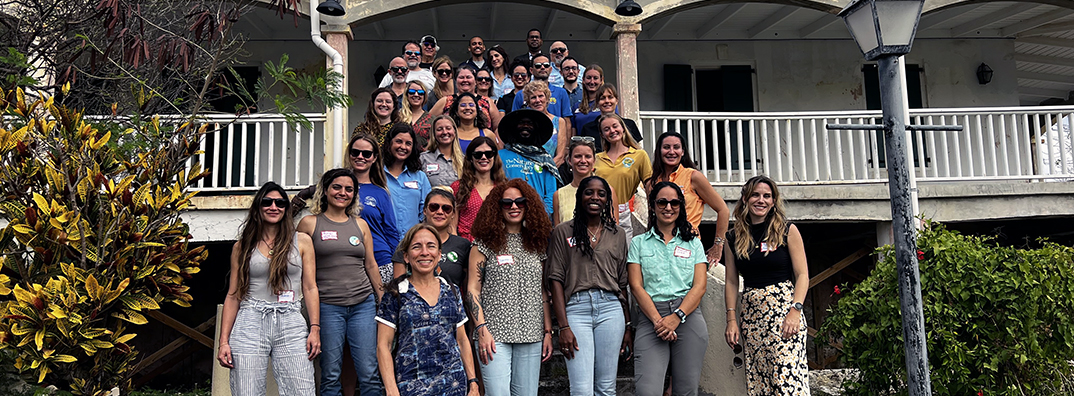
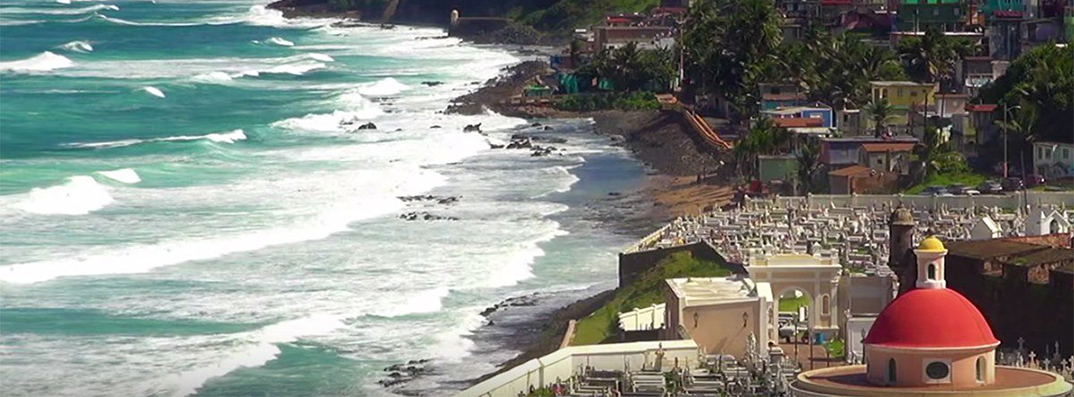
CRCP Publishes Final International Strategy. The primary objective of the CRCP is to address strategic coral reef management needs in a targeted, cost-effective and efficient manner. To make the most of limited resources and to have the largest impact to reverse general declines in coral reef health, the CRCP is shifting allocation of CRCP resources to taking on-the-ground and in-the-water action. The CRCP is also expanding its international presence by becoming more actively involved in coral conservation efforts, primarily in the Pacific, the Coral Triangle region, and the Caribbean. To narrow its range of activities, the CRCP will emphasize efforts on understanding and addressing the top three recognized global threats to coral reef ecosystems: climate change impacts, fishing impacts, and impacts from land-based sources of pollution. On June 29th, the CRCP released the NOAA Coral Reef Conservation Program International Strategy 2010-2015 (pdf, 1.50 mb). This document provides strategic guidance on the CRCP's international priorities for FY 2010-2015. To learn more about the process utilized to develop this report, visit the Threat-based Working Groups page. CRCP and Partners Conduct International Workshop on Climate Change for Coral Reef Managers in Bonaire. Coral reef managers from around the Caribbean participated in the training workshop “Reef Resilience and Climate Change: A Workshop for Coral Reef Managers” held June 9-12 in Kralendjik, Bonaire, Netherlands Antilles. More than 25 international experts in coral reef management from Bonaire, Curaçao, Sint Eustatius, Sint Maarten, St. Kitts/ Nevis, St. Vincent/Grenadines, Grenada, Antigua/ Barbuda, and Mexico met to learn about climate change impacts on coral reefs, responding to coral bleaching, resilience, incorporating resilience into management and Marine Protected Areas (MPA) design, early warning tools available for managers to use, and ways to communicate about threats to coral reefs. Participants were taught to use NOAA satellite tools to predict bleaching and ways to respond to these events. They shared strategies and local management actions and participated in exercises that planned draft coral bleaching response plans and hypothetical MPAs that emphasize resilience to climate change. Unique to this workshop was an open discussion between participants and stakeholders who work within the Bonaire National Marine Park to look at the issues of fishing and tourism. This workshop provided reef managers with the tools they need to understand coral bleaching, know when bleaching is likely to occur, and take actions to protect their valuable coral reef resources. The workshop was the sixth in a series, which includes workshops in Australia (two), American Samoa, the Florida Keys, and Hawai`i. To date, over 175 coral reef experts and managers have been trained; these individuals are able to apply what they learned to their local reefs in over 20 nations around the world. The next workshop will be held in Guam in September, 2009. Apply Now for the 2010-2012 Coral Reef Management Fellowship Cycle. The NOAA Coral Reef Management Fellowship Program was established to respond to the need for additional coral reef management capacity in the U.S. Flag Pacific and Caribbean islands. The program has been expanded to include Florida in the 2010-2012 cycle. The program provides the state and territorial coral reef management agencies with highly qualified candidates whose education and work experience meet each island's specific needs, while providing the individual fellows with professional experience in coastal and coral reef resources management. Applications for the 2010-2012 fellowship cycle are being accepted through July 31. Visit the Fellowship's Web page to learn more about this opportunity, read the Statements of Work, or for application instructions. Atlantic/Caribbean CREIOS Workshop. The CRCP is reviewing its portfolio of monitoring and mapping activities, collectively called the Coral Reef Ecosystem Integrated Observing System (CREIOS), to ensure they are cost-effective, aligned with jurisdictional management needs, and able to deliver products and services in a timely manner to essential users, given funding constraints. As part of a strategic planning effort to strengthen the link between science and management, the CRCP brought together coral reef ecosystem managers and CRCP scientists at a two-day workshop May 13-14 in San Juan, Puerto Rico. The geographic focus wasl primarily on Florida, Puerto Rico, and the U.S. Virgin Islands, and to a lesser extent, Navassa Island and coral-dominated banks in the Gulf of Mexico. The workshop was similar to the Pacific CREIOS workshop held in Honolulu last November. The Puerto Rico workshop objectives were to 1) identify mapping and monitoring priorities for local, regional, and national management efforts, 2) identify data and information needed to address current gaps, and 3) identify potential products and new solutions for meeting management needs. This facilitated workshop was intended to be a forum for participants to determine how NOAA's scientific capabilities can best be directed toward addressing location-specific needs articulated by the managers. The outcomes from the meeting will inform strategic long-term funding decisions with regard to the CRCP’s CREIOS program. Presentations from the workshop are now available online. When complete, the workshop report will also be posted.
|
July 03, 2009 key links... NOAA CRCP FY 2008 Accomplishments Search NOAA's coral reef data and information through the Coral Reef Information System (CoRIS) NEW! The Regional Portal and Map Search tools enhance your search NOAA serves as co-chair of the U.S. Coral Reef Task Force Links to more information on coral reefs new publications... (Search for all CRCP publications in the CoRIS Library) NOAA Coral Reef Conservation Program Goals & Objectives 2010-2015 NOAA Coral Reef Conservation Program International Strategy 2010-2015 Pacific CREIOS Workshop Report Coral Reef Habitat Assessment for U.S. Marine Protected Areas Economic Values of Coral Reefs, Mangroves, and Seagrasses: A Global Compilation 2008 Demographic Baseline Report of U.S. Territories and Counties Adjacent to Coral Reef Habitats Socioeconomic Monitoring Guidelines for Coastal Managers of the Western Indian Ocean: SocMon WIO SEM-Pasifika: Socioeconomic Monitoring Guidelines for Coastal Managers in Pacific Island Countries Draft NOAA Deep-Sea Coral and Sponge Research and Management Strategic Plan |
||||||||||||||
|
Revised June 29, 2009| Questions? Comments? Contact Us | Disclaimer | Privacy Policy | Site Index | Contact Webmaster |